
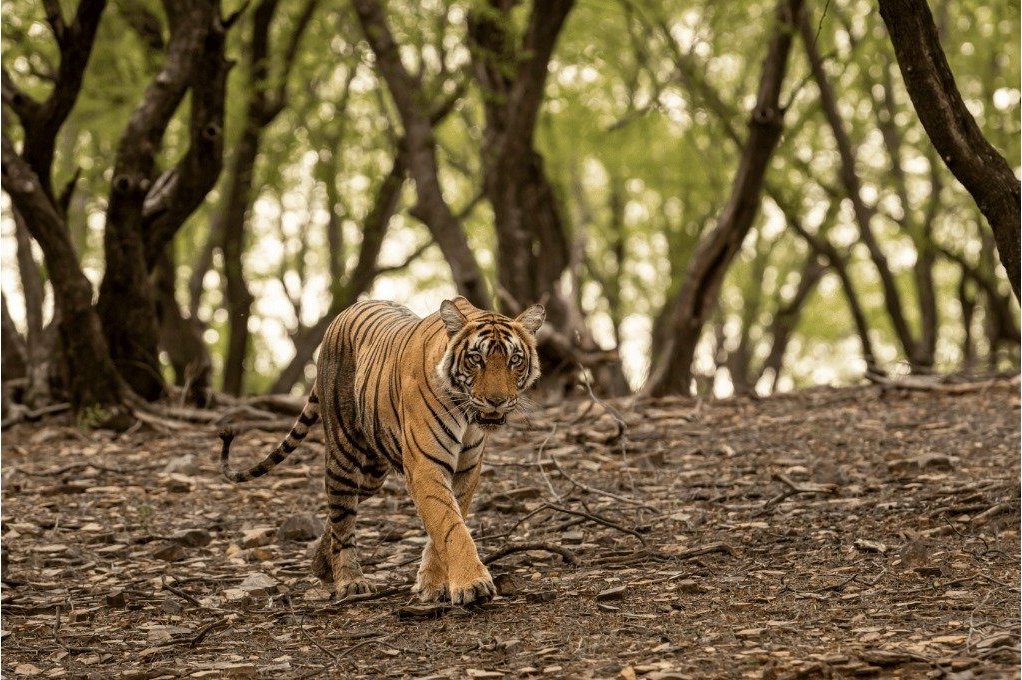
Ask any wildlife lover what Ranthambore National Park is famous for, and the answer is almost always the same: wild Royal Bengal tigers that you can see in daylight. But the park offers much more, including a UNESCO-listed fort, a chain of lakes, more than 300 bird species and ten safari zones. This guide explains each reason, with links to our detailed guides.
1. Short answer: what is Ranthambore famous for?
Ranthambore is famous for five things: the chance to see wild tigers in daylight, the historic Ranthambore Fort (a UNESCO World Heritage Site since 2013), its scenic lakes such as Padam Talao, a rich mix of birdlife with more than 300 recorded species, and 10 safari zones that offer very different landscapes.
2. Wild tigers you can see in daylight
The Royal Bengal tiger is the park's biggest draw. Ranthambore's open, dry forest makes it one of the few places where visitors can realistically watch a wild tiger in daylight. Tigers are identified by their stripe patterns and given T-numbers, and the official tiger count reported in June 2026 was 77.
Tiger sightings are never guaranteed. Tigers move between territories, so a zone that was busy last week can be quiet today. The best way to improve your chances is to book two or three safaris in different zones, and to read our best zone for Ranthambore safari guide.
Want to meet the park's best-known tigresses? Read our famous tigers of Ranthambore guide, which covers Machli, Arrowhead, Riddhi and more.
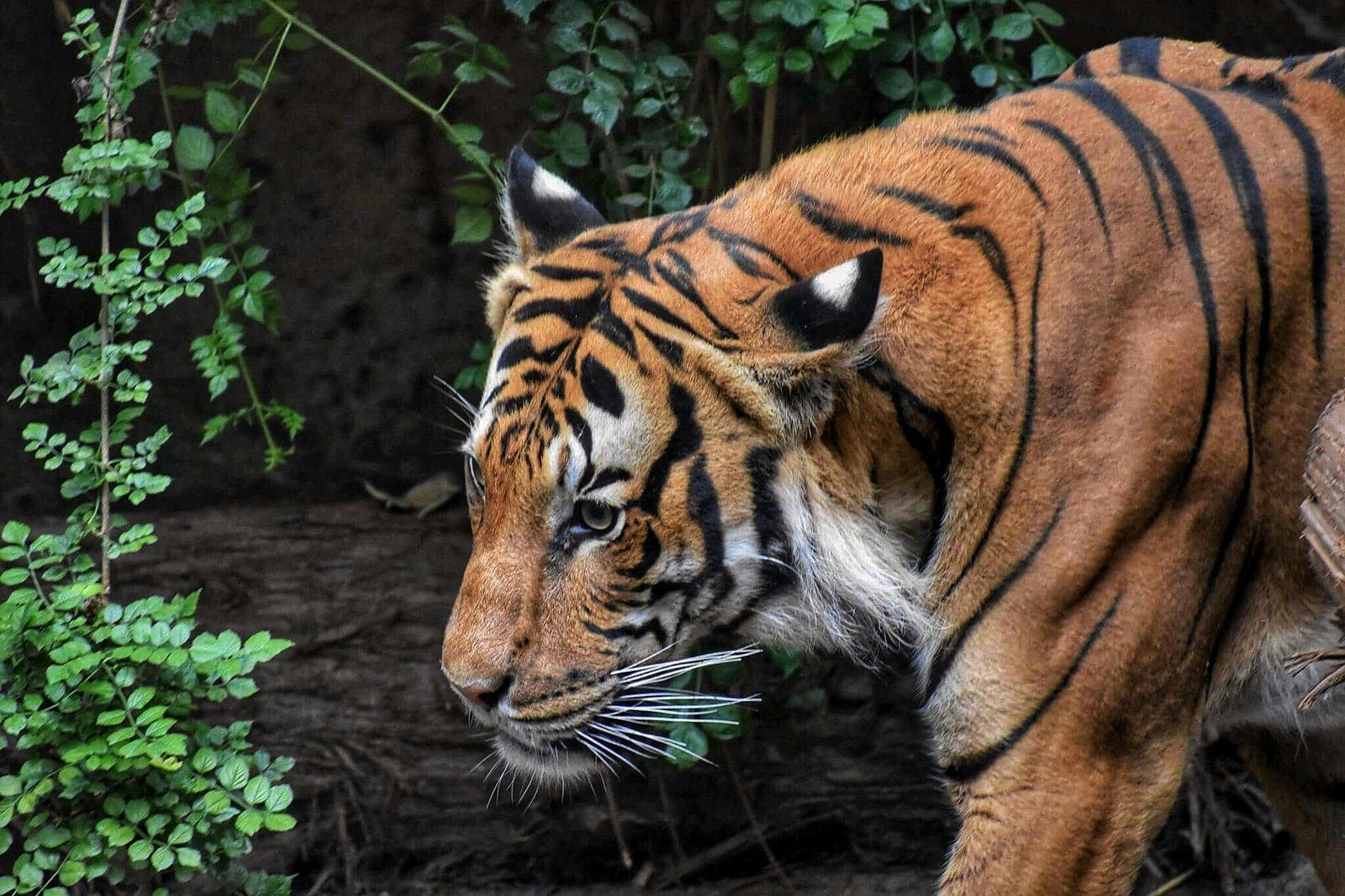
3. Ranthambore Fort: a UNESCO heritage site above the forest
The fort rises on a hill above the forest. Its construction is widely believed to have begun around 944 AD under the Chauhan rulers, and its golden age is linked to Rao Hammir Dev Chauhan (1282–1301). The fort became a UNESCO World Heritage Site in 2013 as part of the Hill Forts of Rajasthan. Inside the fort, the Trinetra Ganesh Temple is one of the most revered Ganesh temples in Rajasthan.
Read the full story in our Ranthambore Fort and Trinetra Ganesh Temple guide, and the park’s history in our Ranthambore National Park guide.
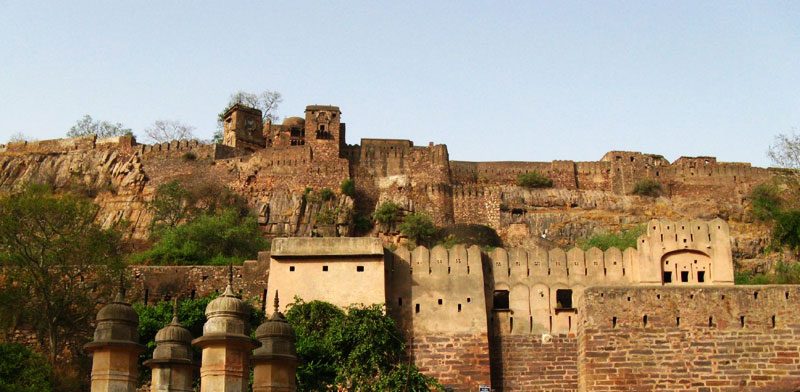
4. Lakes and Jogi Mahal
Water is at the heart of the park. The lakes of Padam Talao, Rajbagh and Malik Talao attract tigers, deer, crocodiles and birds, especially in the hot months when animals come to drink. On the shore of Padam Talao stands Jogi Mahal, an old red-sandstone forest lodge beside a large banyan tree.
Padam Talao is part of Zone 3, which is often the first choice for lake views. Compare the lake zones in our best zone for Ranthambore safari guide.
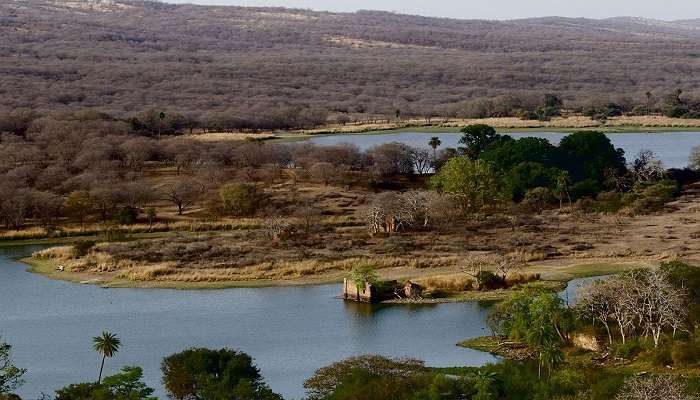
5. Wildlife beyond the tiger
Ranthambore is more than one big cat. Keep an eye out for:
- Leopards on the rocky outskirts and cliffs.
- Sloth bears, often seen around dusk.
- Sambar deer, the tiger’s main prey, and spotted chital.
- Mugger crocodiles basking around the lakes.
- Striped hyenas, jungle cats, nilgai, chinkara and wild boar in the open areas.
For the full list of mammals, reptiles and plants, see the wildlife section of our Ranthambore National Park guide.
6. More than 300 bird species
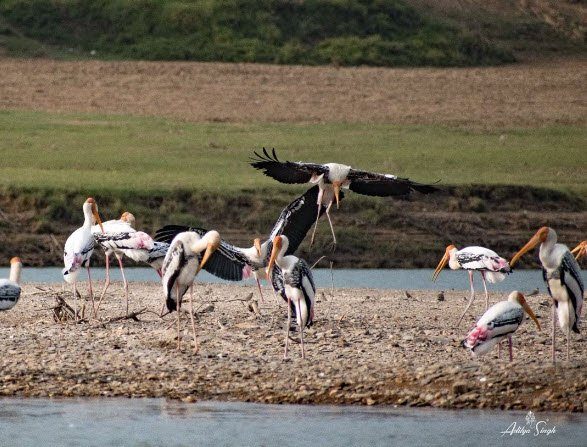
With more than 300 recorded species, Ranthambore is also a birdwatcher’s destination. Look for painted storks around the lakes, peafowl in the open forest, and aquatic birds along the river banks in the outer zones. The winter months, from October to February, are the most comfortable for birding.
7. Ten safari zones, many different landscapes
The park has 10 safari zones. Zones 1 to 5 are the original tourism zones around the lakes and the fort. Zones 6 to 10 were added later in the outer parts of the reserve, with open grassland, quieter forest roads and river banks. Zones 01 to 05 are closed on Wednesdays, and Zones 06 to 10 are closed on Tuesdays.
Compare every zone in our best zone for Ranthambore safari guide, or see the route table in our Ranthambore National Park guide.
8. When to visit
The main safari season runs from 1 October to 30 June. The best tiger sightings are usually from March to June, when animals visit the waterholes more often, though afternoons are hot. The core zones close during the monsoon. For month-by-month advice, read our best time to visit Ranthambore guide.
9. How to plan your visit
Book your seats in advance. Our Ranthambore safari booking guide explains the advance, Tatkal and Premium windows, the ID documents every guest needs and the booking steps. You can also browse our safari packages or find a stay in our Ranthambore hotels and resorts guide.
10. Frequently Asked Questions
Ready to see the park for yourself? Talk to our Ranthambore team and we will help you plan the safari.
Book Your Ranthambore Tiger Safari
Local experts · Jeep & Canter · Tatkal & Premium assistance